Blog Archives

Crisis? What crisis?

An “ordinary” contingency is not a crisis. An extraordinary contingency is a potential crisis. It is only when the ordinary contingency plans fail or when the ordinary contingency measures are not enough that we have potential crisis at our hands.

Posted in THIS and THAT
Tags: , ,

Contingent flexibility

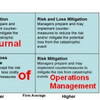
Can contingency planning increase flexibility and minimize risk exposure to supply chain disruptions?
Posted in ARTICLES and PAPERS
Tags: , , , , , , , ,

Catastrophic events in supply chains

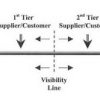
Finding the right facility location is difficult enough. Keeping it safe is even more difficult. One of the building bricks of the this article is the identification of so-called key supply chain locations.
Posted in ARTICLES and PAPERS
Tags: , , , , , , , , , ,

Corporate vulnerability

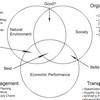
In this study, Svensson investigates the areas, the causes and the contingency planning of corporate vulnerability in upstream and downstream supply chains.Corporate vulnerability in supply chains stems from time dependence, functional dependence and relational dependence.

Posted in ARTICLES and PAPERS
Tags: , , , , , , ,

ARTICLES and PAPERS
Corporate vulnerability
Göran Svensson is one of the leading key figures in supply chain vulnerability research and his conc[...]
Sustainable supply chains
Sustainability has become a huge buzzword, both in today's business world and within the broader fac[...]
BOOKS and BOOK CHAPTERS
Book Review: Transportation GIS
This book showcases many examples of how GIS can be applied in the field of transportation using Arc[...]
Book Review: Cooperative Strategy
Cooperative strategy is the attempt by organizations to realize their objectives through cooperation[...]
REPORTS and WHITEPAPERS
America’s Crumbling Infrastructure
My daily morning routine includes a cup of coffee while watching the World Business Report on BBC Wo[...]
28 Global Risks in 2015
The  World Economic Forum Global Risks Reports. I first came across them in 2008, when the hyperopti[...]
from HERE and THERE
Fewer suppliers mean fewer choices for consumers
The financial crisis has created an supply chain crisis, says The Economist. As demand for cheap goo[...]
Less cost and less disruptions?
One of the regular readers of my blog alerted me to an article in the NY Times titled Slow Trip Acro[...]