Book review: Handbook of Transportation Engineering

Comprehensive and all-encompassing, the Handbook of Transportation Engineering by Myer Kutz (editor) may be way to much if road transportation, like in my case, is all you need. The authors are solid researchers in their field and some even personal acquaintances of mine. My particular interest in this book is the chapter on Transportation Hazards, written by Tom Cova and Steve Conger, a professor and fellow student who I met while studying at the UofU in Salt Lake City, Utah. Is it worth the hefty price? Yes.

Natural hazards

The list of hazards discussed in this chapter include:

* Avalanches
* Earthquakes
* Flods and Dam Breaks
* Fog, Dust, Smoke, Sunlight and Darkness
* Rain, Snow and Ice
* Landslides, Rock fall, and Debris Flow
* Wind, Tornadoes and Hurricanes
* Wildlife


The chapter also touches briefly on transportation itself as a hazard (i.e. accidents) and also look at emergency or evacuation requirements for transportation.

Conclusion

Expensive, but worth it

amazon.com

Buy this book at amazon: Handbook of Transportation Engineering

Update

2009/10/05: Read a fuller review of the chapter on Transportation Hazards.
Posted in BOOKS and BOOK CHAPTERS
Tags: , ,

ARTICLES and PAPERS
Outsourcing – risking it all?
"The world is at risk and the supply chain is not exempt." Are you scared? "Supply risk used to be d[...]
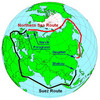
The Final Frontier: The Northern Sea Route
Sought after by polar explorers and long awaited by the shipping community: The Northern Sea Route. [...]
BOOKS and BOOK CHAPTERS
Organizing Resilience
Resilience. A word that his been in the media perhaps more than ever before these days. I am of cour[...]
Book Review: Customs Risk
International trade and global supply chains are filled with goods that are criss-crossing the globe[...]
REPORTS and WHITEPAPERS
Supply Chain Security
Today's supply chains circle the globe and form the backbone of world trade and a are major factor i[...]
How New Zealand develops resilient organisations
Is New Zealand better prepared for a disaster than other countries? As our infrastructure and organi[...]