 People are what makes organizations work, or in some cases, not work. Just as the “ordinary” supply chain is all about getting the right product to the right place at the right time and at the right price, the talent supply chain is all about getting the right people in the right jobs with the right skills at the right time and right price. What happens if you don’t have the right people? Well, you may have disaster waiting to happen from within.
The biggest risk is inside
When designing continuity plans, most companies think of all those things that are out of their control…fire, flood, labour unrest, storm damage, flu pandemics and the like. However, the risk that is most often overlooked is lurking not externally, but internally. Gen Ford from Ithaca puts it this way in his post on DISASTER! Business Continuity Issues are Most Often Caused from Within…:
Risks … generally result from the natural way in which organisations grow. Ad hoc development of structure, process, new product and service creation often leads to gaps in competency, communication and function.
How can you make sure your organization is fit to the task, even in the face of disaster? You must hire according to plan.
The Talent Supply Chain
In his post People and Talent Supply Chain Management, Jeff Ashcroft from SupplyChainNetwork says:
Just as in supply chain management you begin with an inventory of your current human resources within the firm and the skills and attributes of those people. It’s then time to do some future planning relative to what your needs will be by location in three to five years. This will become your forecast for the talent supply chain in your firm but only represents the beginning of the full application of supply chain management principles to ensure the future health and stability of your workforce.
Nonetheless, even if you do apply the talent supply chain, one issue still remains, the loss of key personnel or key knowledge.
Knowledge management
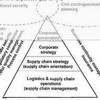
Knowledge management is particularly important in today’s globalized supply chain, where teams work spread across the globe, perhaps only on a temporary or project basis, ready to move on when one project is completed. What happens then? You need to acquire the manpower and skills all over again. The figure below is one of the best illustrations I’ve seen on this subject: This is a figure I found somewhere on the Internet at some point in time, but I forgot where and I am unable to find it again, or I would point you to it.
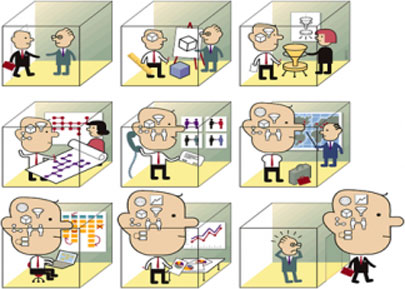
Having the wrong (=incompetent) people can certainly ruin your supply chain. Having the right people can be disastrous, too, if you have no contingency plan on how to replace them.
Links
- SupplyChainNetwork: People and Talent Supply Chain Management
- Finding Better Ways: DISASTER! Business Continuity Issues are Most Often Caused from Within…
Related
- husdal.com: Trust, Control and Risk in Strategic Alliances